

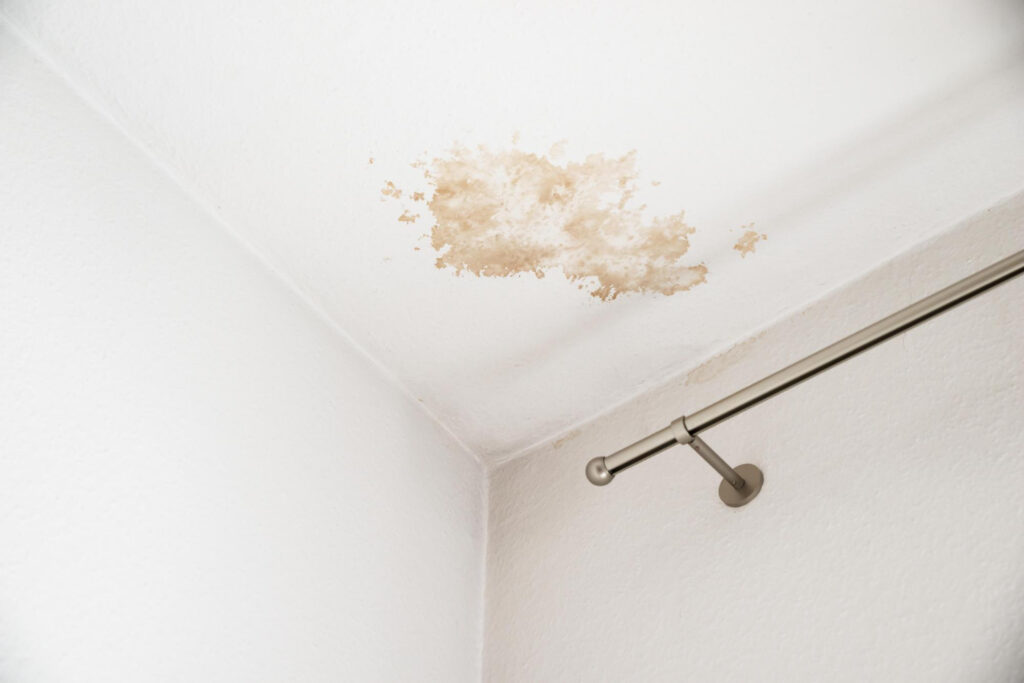
Why Your Roof Leaks Hours After Tampa Storms
Afternoon in Tampa often follows a pattern. Dark clouds roll in, rain pounds your roof, wind pushes water sideways, then the sky clears and the sun pops back out. Everything looks fine until a few hours later when you notice a drip, a bubble in the paint, or a fresh brown stain on the ceiling. The storm is long gone, but the leak is just getting started.
This delay feels strange, but it is very common here. Our storms soak your roof fast, yet the water usually has to travel through small gaps, seams, and building materials before you see any sign inside. That slow path is why the leak often shows up at night, not during the 3 p.m. downpour. As a local Tampa roofing team, we see this pattern all the time, and we want to help you understand what is really going on over your head.
How Tampa Weather Sets Up Delayed Roof Leaks
Our local weather is a big part of the story. Tampa days heat up fast, the air over land rises, and moisture from the Gulf feeds tall storm clouds. By mid-to-late afternoon, we often get short, heavy storms that drop a lot of rain in a little time. Roofs that are already worn or borderline can get overwhelmed very quickly.
The heat is just as important as the rain. All day long, the sun cooks your shingles and underlayment. Roof materials expand in that heat. Then a sudden storm rolls through and cools them down fast. That quick change can:
- Open tiny gaps around nails
- Loosen seams between shingles
- Stress joints around flashing and vents
- Break down already weak sealant
Wind during these storms also plays a big role. We often get strong gusts and shifting wind directions that push rain up, into, and under things it normally would not reach. Wind-driven rain can be forced:
- Under lifted shingle edges
- Sideways into wall intersections
- Into vents and roof penetrations
- Around chimneys and skylights
Once the storm passes, gravity and air pressure slowly pull that water through your roof layers. It may take hours before it finally drops onto your ceiling or runs down an interior wall.
Hidden Entry Points That Do Not Leak Right Away
Most delayed leaks do not come from big, obvious holes. They start at small problem spots that only show themselves during strong storms.
One common source is flashing around chimneys, walls, and skylights. Flashing is the metal that helps seal where the roof meets vertical surfaces. Over time, it can crack, bend, or separate from old sealant. When wind-driven rain hits just right, water slips behind that flashing, then runs down:
- Brick or stucco
- Framing and wall studs
- Roof sheathing
You might not see anything inside until that water has traveled quite a distance.
Roof penetrations and vents are another weak area. These include plumbing vent boots, attic fans, satellite mounts, and HVAC penetrations. The rubber can dry out, the caulk can shrink, and fasteners can loosen. During a strong afternoon storm, water can seep in around these spots and soak into the roof system without any obvious drip at first.
Valleys and ridges also cause problems. In valleys where two roof slopes meet, debris can collect and slow down water. If shingles are misaligned or nails are exposed, water can pool and then:
- Wick under the shingles
- Follow the wood grain of the decking
- Spread out before dropping inside
Because the water spreads and moves along hidden paths, the actual entry hole is rarely right above the stain you see.
Tracing a Delayed Leak Back to Its Real Source
When you see a stain on the ceiling, it is natural to assume the leak is directly above that spot. On most Tampa homes, that is not how water behaves. It likes to travel along framing, joints, and other surfaces before it lets go and drips.
Finding the real source means following the water path, not just the stain. A proper leak check usually starts in the attic and on the roof deck, not at the ceiling. Trained eyes look for:
- Damp or matted insulation
- Dark or swollen wood
- Rusty nails or metal connectors
- Trails or rings in the dust where water has run
Climbing on a wet roof or cutting into ceilings is risky, which is why we do not recommend homeowners try to fix leaks on their own. Simple, safer steps like peeking into the attic with a light after a storm may help you notice early signs, but tracking and sealing the real opening is better left to a professional crew that knows local roof styles and building codes.
Pros also have tools and methods that go beyond what you can see. Moisture meters, controlled water testing, and experience with how Tampa roofs are built all help narrow down tough, delayed leaks that only show up after certain types of storms.
Why Speed Matters for Summer Roof Leak Repair
When a leak only shows up for a few hours after a storm, it can be tempting to ignore it and hope it is a one-time thing. In our warm, humid climate, that is rarely a good idea. Moisture does not dry out quickly here, and trapped damp spots can become a problem fast.
Even a small, slow drip can lead to:
- Musty smells
- Peeling paint or bubbling texture
- Stained drywall and ceiling sagging
- Mold growth in hidden areas
Over time, repeated leaks do more than stain your ceiling. They weaken the roof deck, rot framing, and can corrode metal fasteners. Sections of the roof that take the full hit from afternoon storms, such as western exposures, tend to age even faster once leaks begin.
There is also a timing issue. Summer thunderstorms often show you where your roof is weak just before the most intense part of storm season. Taking care of roof leak repair in Tampa when you first notice it can help reduce the risk of bigger damage if a stronger system or tropical storm passes over your home later.
Take Control of Tampa Roof Leaks Before the Next Storm
When you notice a delayed leak, the first goal is to limit damage inside. Many homeowners will put a bucket under the drip, move furniture, and cover items that could be ruined. Some will carefully turn off power to the affected area if water is near lights or fans. Taking clear photos or videos of the leak and stains can also help you keep track of changes over time.
The next step is to have a skilled roofing professional inspect the roof and attic. A careful roof evaluation can:
- Reveal hidden entry points you cannot see from the ground
- Check if previous repairs or installations meet current codes
- Show how much life your current roof has left
- Help you plan for repair or replacement based on age and condition
As a Tampa-based roofing contractor, we work with the same intense sun, daily storm cycle, and Florida building rules that your home faces. At Gulf Shield Roofing, we focus on tracing leaks back to their true source so they do not keep coming back after every afternoon storm.
Protect Your Home With Fast, Reliable Roof Leak Repair
If you see water stains, drips, or missing shingles, now is the time to schedule professional roof leak repair in Tampa before minor damage turns into a costly problem. At Gulf Shield Roofing, we inspect your roof carefully, explain what we find in clear terms, and complete repairs using durable materials suited to Florida’s weather. Reach out today through our contact us page so we can help protect your home and restore your peace of mind.