

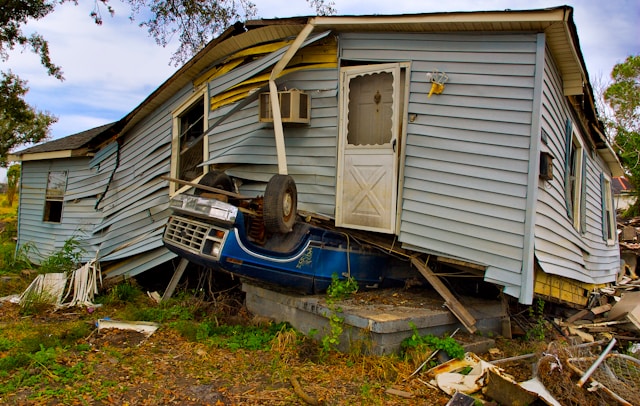
Protect Your Home Fast After Tampa Hurricanes
Hurricane season hits Tampa again and again. Roofs take a big part of that punch. Getting ready now means you will know exactly what to do when the next storm rolls through and your roof takes damage.
Right after a storm, roof problems can look small. Maybe you see a few missing shingles or a tiny brown spot on the ceiling. It might not seem like a big deal. But those small issues can turn into mold, rotten wood, and expensive repairs inside your home if you wait too long.
Our team focuses on storm damage roof repair in Tampa, so we see this play out every season. Roofs that get checked and protected quickly usually have less damage in the long run. Roofs that get ignored often surprise owners months later with leaks and musty smells.
In this guide, we will walk through what to do in the first day after a storm, how to spot hidden damage, what to document for insurance, and when to bring in local pros for tarping and repairs. The goal is simple: keep your family safe and protect your home before things get worse.
First 24 Hours After the Storm Passes
The storm may be gone, but danger is still there. The first rule is safety. Many people get hurt during cleanup, not during the hurricane itself.
Right after the storm:
- Do not climb on the roof
- Stay away from any downed power lines
- Look for soft spots in ceilings that might be ready to fall
- Turn off electricity in any room where water is present
Take your time and move slowly through your home. If a ceiling looks puffy, sagging, or wet, try not to stand under it. Buckets and towels can help control minor drips, but do not poke or cut a sagging ceiling. That can cause a sudden collapse.
Next, do a simple ground-level walk around your home. Bring your phone and take clear photos as you go. From the ground, look for:
- Missing or curled shingles or tiles
- Tree branches, palm fronds, or other debris on the roof
- Bent or broken gutters and downspouts
- Damaged vents, pipes, or chimney caps
Inside, watch for:
- New water stains on ceilings or walls
- Paint that is bubbling or peeling
- Doors that suddenly stick or frames that look warped
Fast documentation helps a lot with insurance. Photos and short notes from the first day show what was damaged by the storm itself. That makes it easier to explain your claim later. Reaching out to a roofing contractor early also matters, because local pros book up quickly when half the city is calling at once.
In those first hours, even if your insurance adjuster has not come yet, it is smart to speak with a local roofing team about an emergency assessment and tarping plan. That early step can limit damage and set you up for smoother repairs.
Spotting Hidden Roof Damage After a Hurricane
Not all storm damage screams for attention. Some of the most serious problems hide in plain sight.
Common but easy-to-miss issues include:
- Shingles that are lifted but not blown off yet
- Small cracks in tiles that look fine from a distance
- Tiny punctures from flying debris, like branches or yard decor
- Loose metal flashing around chimneys, walls, and vents
- Worn or broken sealant around skylights and roof edges
Inside your home, subtle warning signs can show that water is sneaking in. Pay attention if you notice:
- New or spreading ceiling stains, even if they are light
- Musty or damp smells that do not go away
- Peeling drywall tape along seams
- Trim or baseboards that look warped or swollen
- Extra humidity or a sticky feeling in the attic
- Little lines of daylight showing through the roof deck
Wind and water work together. Strong wind may pull up shingles or tiles enough to break the seal that keeps water out. Then wind-driven rain pushes into those tiny gaps and can travel along beams and boards, showing up far from the actual entry point. That is why a stain in a hallway might actually start with damage above a bedroom.
Professional inspections make a big difference here. Trained roofers use tools like moisture meters, attic checks, and sometimes camera or drone views to look at areas you cannot see safely. This reduces the chance of missing small problems that can turn into major repairs months later.
Emergency Tarping and Temporary Roof Protection
After a hurricane, emergency tarping is often the first real line of defense. The goal is to:
- Stop active leaks quickly
- Prevent more water from soaking insulation, ceilings, and floors
- Protect furniture, flooring, and personal items
- Buy time until permanent repairs or a full replacement can be done
Climbing on a wet, storm-damaged roof is extremely risky. Shingles can be slick, tiles can break, and hidden soft spots can give way under your feet. DIY tarping also often leads to gaps or loose edges that let more water in. Nails or screws placed the wrong way can create new leaks or affect how insurance views the damage.
A professional roofing crew handles tarping in a safer, more effective way. The process usually includes:
- A careful visual assessment of the damage from safe access points
- Using proper safety gear when getting on the roof
- Choosing the right tarp size and thickness
- Securing the tarp to stable parts of the roof, not just loose or cracked areas
- Sealing around vents, chimneys, and roof peaks as much as possible
Insurance companies often look more favorably on claims when homeowners take quick steps to limit further damage. Prompt tarping shows you acted responsibly and can help reduce arguments about what came from the storm versus what came from later neglect.
Choosing the Right Tampa Roofer for Storm Repairs
After a big storm, roofing trucks seem to appear everywhere. Some are local pros. Others are short-term crews that leave as soon as the rush is over. Picking the right team for storm damage roof repair in Tampa protects your home and your peace of mind.
- A real local presence and history working in the area
- Proper Florida licensing and insurance
- Clear communication and written documentation
- Experience working with hurricane-related roof damage and insurance claims
Watch out for red flags like:
- Out-of-state plates with no clear local office
- High-pressure door-to-door sales tactics
- Demands for full payment upfront
- Vague or confusing contracts
- Promises to “cover your deductible” or handle things in a way that sounds too good to be true
A trustworthy roofer should provide a documented inspection with photos, explain the difference between repair and replacement options, and give written estimates. They should also be willing to coordinate with your insurance adjuster so everyone sees the same damage.
It is also smart to ask about materials made for our Florida conditions. That might include wind-rated shingles, underlayments designed to handle heavy rain, and added waterproofing in known weak spots. Upgrades made now can reduce future storm damage and may even help with insurance discussions later.
Get Hurricane-Ready with Proactive Roof Planning
The calm weeks before and after spring are a great time to get ahead of hurricane season. Waiting until a storm is on the radar makes everything more stressful. Planning now makes the process smoother if your roof ever takes a hit.
We recommend:
- A pre-season roof inspection to find loose shingles, weak spots, or old sealant
- Fixing minor issues before they turn into leaks during the next big storm
- Considering waterproofing upgrades and better ventilation where needed
It also helps to create a simple “storm file” for your home. You can keep:
- A copy of your roof warranty
- Details of your homeowners insurance policy
- Clear photos of your roof and ceilings in good condition
- Contact information for your trusted roofing contractor
Our team at Gulf Shield Roofing focuses on helping Tampa homeowners prepare for and recover from storm damage. By planning ahead, knowing the early warning signs, and understanding how to protect your roof in those first 24 hours, you give your home a better chance to stand strong through hurricane season.
Protect Your Home With Fast, Reliable Roof Repair Today
When storms hit, every hour you wait can lead to more leaks, interior damage, and higher repair costs. At Gulf Shield Roofing, we respond quickly, assess your roof thoroughly, and provide trusted storm damage roof repair in Tampa tailored to your home and budget. If you are ready to schedule an inspection or need urgent help, simply contact us and we will walk you through the next steps.