

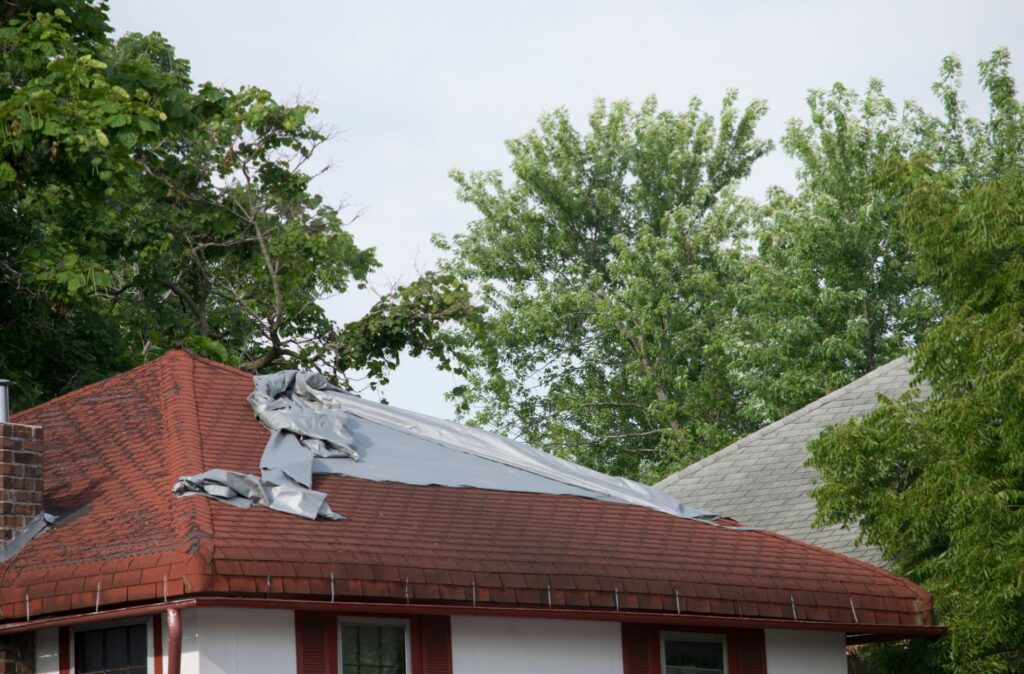
Inside Emergency Tarp Services for Tampa Roof Storm Damage
Late-spring and early-summer storms in Tampa do not give you much warning. One minute the sky is light, the next minute you are watching fast-moving clouds, strong wind, and heavy rain beating down on your roof. When that happens, you are not thinking about long-term roofing plans. You are thinking, “How do I stop this water from getting inside my home right now?”
That is where emergency tarp services in Tampa come in. A good tarp job buys you time, protects your belongings, and helps keep a bad situation from getting worse. We will walk through what tarping really does, how a professional team handles it, why DIY is risky on Florida roofs, and how this temporary step fits into the bigger storm recovery process.
Fast Protection When Tampa Storms Hit Hard
Tampa storms can build fast, especially as hurricane season ramps up. Strong wind, hail, and driving rain can rip shingles right off the roof, crack or dislodge tiles, lift flashing and expose seams, and even send branches straight into your roof deck.
All it takes is one strong cell passing overhead for roofing materials to peel back and leave bare wood open to the sky. Once the roof deck is exposed, water does not stay neatly in one place. It spreads through insulation, walls, and ceilings.
Emergency tarp services in Tampa are the first critical step after that kind of damage. The goal is simple: cover the openings and block as much water as possible until permanent repairs or a full replacement can be done. A local roofing contractor who understands Florida Building Code and our weather patterns knows how to secure tarps so they stay put in heat, sun, and more storms, not just for a single light rain.
What Emergency Tarping Really Does for Your Roof
Emergency roof tarping is a temporary barrier installed over damaged or exposed areas of your roof. The tarp is pulled tight and sealed at the edges to keep out wind-driven rain, falling debris, and direct sun on weakened materials.
It is helpful to be clear about what tarping can and cannot do:
- Can reduce or stop active leaks
- Can limit interior water damage
- Can shield broken areas from more wind and rain
- Cannot replace missing structure or long-term roofing materials
- Cannot take the place of proper repair or replacement
Speed matters a lot. Every hour that water is getting in, it can soak insulation in your attic, drywall and ceilings, framing, wood trim, electrical components and fixtures, and even flooring and personal belongings.
Also, professional tarping supports many insurance claims. When a trained roofer documents visible storm damage before and during tarping, it helps show what the storm did and that you took reasonable steps to prevent more loss. That can make the claim process smoother later.
Step-by-Step Look at Professional Tarp Service
When a storm hits and you see damage, the process usually starts with a phone call. A roofing team will ask simple but important questions to understand what happened and how urgent the situation is, such as what kind of storm just came through, whether you see missing shingles or tiles, and whether water is actively leaking inside right now. They may also ask if there are brown water stains on ceilings or walls, and whether you notice any ceiling sagging or bubbling paint.
Once on site, the first job is safety. Technicians check for hazards before stepping onto the roof, including:
- Downed power lines or electrical risks
- Large tree branches on the roof
- Loose materials that could slide or fall
- Weak spots that could give way underfoot
Only after that do they step onto the roof. Then they inspect and document damage with photos, video, and notes, looking for:
- Missing or broken shingles and tiles
- Punctures from branches or flying debris
- Lifted or bent flashing
- Damaged vents, skylights, or pipe boots
For tarp selection, they choose the right size and thickness, then position it to overlap the damaged area and extend past the ridge or eaves so water sheds off cleanly. The tarp is pulled tight and not allowed to sag where water can pool.
To keep it in place in Florida weather, they use secure fastening methods such as:
- Cap nails at strategic points
- Furring strips along edges to spread pressure
- Sandbags in certain areas where nailing is not ideal
- Correct anchoring into structural areas, not just loose materials
The goal is a tight, smooth cover that resists wind uplift and does not cause extra damage to shingles or underlayment.
Why DIY Tarping Is Risky on Florida Roofs
Climbing onto a damaged, wet roof is more dangerous than many people think. Florida storms often leave slick, wet surfaces, steep roof pitches that are hard to stand on, loose debris that can roll or slide underfoot, and sudden gusts of wind that can throw you off balance.
On top of that, storm damage may have weakened the decking or trusses. Step in the wrong spot, and you could break through the roof, fall, or cause a new hole that sends more water into your home.
DIY tarping can also lead to problems if it is installed poorly. A tarp that is too small, loosely secured, or nailed into the wrong areas can:
- Flap and tear in the next storm
- Blow off, leaving your roof open again
- Rip more shingles or tiles as it moves
- Cause trouble with HOA rules or local standards
Some insurance policies expect homeowners to protect the property, but they also expect the work to be done the right way. DIY attempts with no proper documentation can raise questions about how much of the damage was from the storm and how much came from the quick fix.
How Emergency Tarping Fits Into Storm Recovery
Think of emergency tarp services in Tampa as the first phase of storm recovery, the temporary stabilization phase. The job is to stop or slow active leaks so you are not battling a new puddle every time it rains.
Once weather is calmer and your roof is safer to walk on, the next step is a full roof inspection. A thorough assessment looks at:
- Roof decking and underlayment
- Shingles or tiles across the whole roof
- Flashing around chimneys, walls, and valleys
- Vents and roof penetrations
- Gutters and downspouts
- Attic moisture and ventilation
From there, you can look at repair versus replacement. The decision will depend on roof age, material type, how much of the roof is damaged, and Tampa building codes that apply to wind and structural strength.
During this process, a roofing contractor can coordinate with your insurance carrier by sharing clear photos, inspection notes, and repair or replacement estimates. Good documentation helps cut down on back-and-forth questions and keeps the project moving.
Choosing the Right Tampa Team Before the Next Storm
The best time to think about emergency tarp services in Tampa is before you need them. When you are choosing a roofing partner, you want to confirm the essentials and make sure the company is set up to respond appropriately in storm conditions, including:
- Proper Florida licensing
- Insurance coverage
- A local presence and knowledge of Tampa neighborhoods
- Experience with storm response and wind requirements
Helpful questions to ask include:
- What are your typical response times after a storm?
- Do you offer after-hours emergency service?
- What safety steps do your crews follow?
- What kinds of tarps and materials do you use?
- How long do you expect your tarps to stay in place?
A trusted local roofer understands Tampa HOA standards, common storm damage patterns, and which roofing systems hold up better in our sun, heat, and humidity. They can also suggest pre-season roof checkups to find weak spots like loose flashing, aging shingles or tiles, or old sealant that is more likely to fail when wind picks up. Having a clear plan for who you will call when a storm hits can save time, stress, and damage when the next dark cloud moves in.
Protect Your Home With Fast, Professional Emergency Help
When storm damage leaves your roof exposed, every minute counts. At Gulf Shield Roofing, we provide rapid-response emergency tarp services in Tampa to help prevent further water intrusion and costly interior repairs. If you need immediate assistance or want to speak with a specialist about your situation, contact us today so we can help secure your property quickly and safely.