

What Hides Under Your Shingles During Tampa’s Rainy Season
What Tampa’s Rainy Season Is Hiding Above You
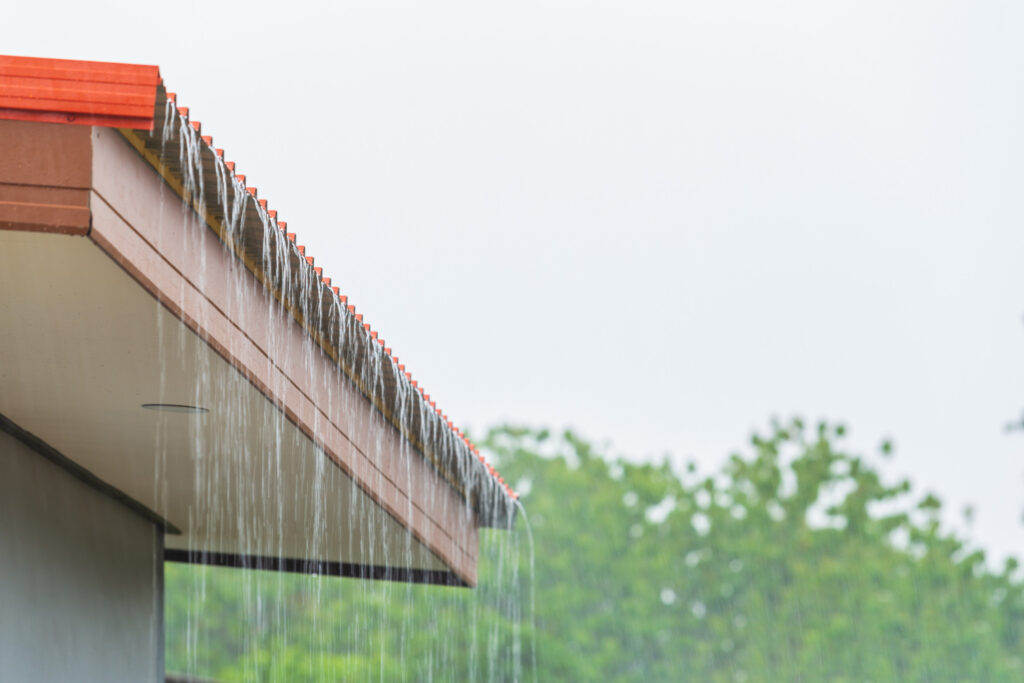
Tampa’s rainy season sneaks up fast. By late May, those almost daily afternoon downpours and sticky, humid evenings are back. Your roof takes the hit first, long before you feel the first drip inside. From the street, your shingles might look fine, but water can still be slipping into tiny gaps you cannot see.
That is the big problem with roof leaks in our area. Trouble usually starts small and hidden, under the shingles and behind the surfaces you see every day. A loose nail here, a bit of aging there, and a whole season of heavy rain can quietly turn minor issues into serious damage. Our goal with this post is to help you understand what is going on up there and why early roof leak repair in Tampa matters before storms pile up.
At Gulf Shield Roofing, we work on Tampa Bay homes all the time, so we know how local weather, building codes, and timing come together. When the rainy season kicks in, weak spots show up fast. By knowing what to watch for and when to call a professional, you can keep small roof problems from turning into big headaches inside your home.
How Tampa’s Weather Sneaks Under Your Shingles
Daily storms and gusty winds can be rough on even a newer roof. We see this every rainy season. When rain blows sideways, it does not just fall on top of your shingles, and it can be pushed up under them.
Here is how water often sneaks in during storms:
- Wind-driven rain gets under lifted or loose shingles
- Sudden downpours overwhelm weak valleys and low spots
- Water works into nail holes, around vents, and along flashing
- Repeated wet and dry cycles stress the roof surface
Even a small lifted edge or a missing shingle can give wind and water the opening they need. Once water finds a path, it usually keeps using that same path every time it rains.
Heat and humidity also work on your roof every day. Strong sun can cause shingles to curl, crack, or shed their protective granules over time. High attic temperatures and humid air can:
- Dry out and weaken shingle surfaces
- Break down older underlayment
- Trap heat and moisture against the wood decking
When tropical systems and hurricanes get close, things get even tougher. Stronger wind and changing air pressure can force water into places regular rain never reaches. If there is already a tiny weakness, that kind of weather can turn it into a leak quickly. The rainy season takes every small flaw and presses on it day after day.
What Might Be Lurking Under Your Shingles
The biggest worry is what you cannot see from the ground. The first layers under your shingles are underlayment and wood decking. When those get wet, they can soak up and hold water.
Over time, this can lead to:
- Soft or spongy decking that sags
- Underlayment that no longer keeps water out
- Hidden rot that spreads slowly under the surface
From the street, the roof may still look “okay.” That is why a professional inspection can be so helpful. We can spot soft spots and hidden water paths that are not obvious to the eye.
Warm, damp layers under shingles and inside the attic also create a perfect space for mold and mildew. When moisture hangs around, it feeds growth in dark corners. Pests are drawn to that too. Moist wood, small openings, and easy shelter can invite termites or rodents. Often, the first signs are:
- A faint musty smell that never really goes away
- Small stains on ceilings or walls that seem to appear and fade
- Slight changes in the feel of certain areas of the ceiling or trim
Under the surface, small parts can fail as well. Nails can rust and loosen, which opens tiny paths for water around every nail hole. Flashing around chimneys, skylights, and vents can also rust, bend, or pull away from the roof. Old sealants can dry out, and crack. Many roof leak repair jobs in Tampa come back to these small, hidden points that finally gave out.
Early Warning Signs Before the Ceiling Starts Dripping
You do not have to climb on the roof to spot early warning signs. There is a lot you can see from your yard or driveway if you know what to look for.
Outside, watch for:
- Lifted, cracked, or missing shingles
- Shingle granules piling up in gutters or near downspouts
- Dark streaks or patches on certain roof areas
- Sagging lines along the roof surface
- Rusted or visibly loose flashing around roof features
Each of these signs can point to something happening underneath. Missing granules can mean aging shingles. Sagging areas may hint at soft decking or moisture problems. Rusted flashing can signal that water has already found its way in.
Inside the house, there are more clues. Before you ever see an obvious drip, you might notice:
- Light brown or yellow ceiling stains
- Paint that is peeling or bubbling
- Drywall that looks wavy or soft
- Trim that is warping or pulling away
- Musty smells or higher indoor humidity that seems out of place
If you can safely look in your attic, check for:
- Damp or clumped insulation
- Dark spots on the wood decking
- Rust on nail tips
- Shafts of daylight where they should not be
Late May and June are the best times to catch these problems. Once the rainy season is in full force, water can come through the same weak spots again and again for months. Quick, professional roof leak repair in Tampa at the first sign of trouble usually means less damage and less repair work inside your home later.
Smart Moves to Protect Your Roof This Rainy Season
There are some simple habits that help your roof handle daily storms better. Before the heaviest rains settle in, it is smart to:
- Keep gutters and downspouts clear of leaves and debris
- Make sure downspouts move water away from the foundation
- Trim back overhanging branches that scrape shingles
- Do a visual check from the ground after big storms
Keeping water flowing off your roof quickly gives it less time to sneak into small gaps. It also reduces extra weight and strain on problem areas.
The most important step is having a licensed roofing professional check things out. Trained eyes can spot:
- Soft or sagging decking under the shingles
- Underlayment that has shifted or failed
- Flashing that is starting to pull away or rust
- Early signs of rot or mold that are easy to miss
Quality, code-compliant work matters in Florida’s climate. Repairs that are done the right way help your roof stand up better to wind, heavy rain, and long stretches of heat and humidity.
There comes a point where repair is not the smartest option anymore. A roof that is older, has repeated leaks, or shows widespread shingle damage may be ready for replacement. If we find large areas of rot, weak decking, or many different problem spots, a new roof can give you better protection than patching the old one again. Our job is to look carefully and explain what we see so you can choose the best long-term plan for your home.
Stop Hidden Roof Damage Before the Next Storm Hits
What hides under your shingles during Tampa’s rainy season can do a lot of harm if it stays secret for too long. Hidden moisture, soft decking, mold, and failing flashing all grow worse when daily storms roll over your home. By the time water is dripping from the ceiling, that damage has often been building for a while.
At Gulf Shield Roofing, we focus on residential roofs built to handle Florida’s extreme weather, with careful attention to materials, workmanship, and local code requirements. When we inspect a roof, we look for the quiet, early signs that appear long before the bucket on the floor. With timely roof leak repair in Tampa, plus honest advice on when repair or replacement makes the most sense, you can head into the rainy season with a lot more peace of mind about what is, and is not, hiding under your shingles.
Protect Your Home With Fast, Professional Roof Leak Repair
If you see water stains, dripping, or missing shingles, our team at Gulf Shield Roofing is ready to help before a small issue becomes major damage. Schedule expert roof leak repair in Tampa so we can inspect, locate, and fix the problem quickly and correctly. We respond promptly, communicate clearly, and use proven repair methods tailored to Florida weather. To request an appointment or ask questions, just contact us today.