
When a Midnight Leak Becomes a Flood Risk
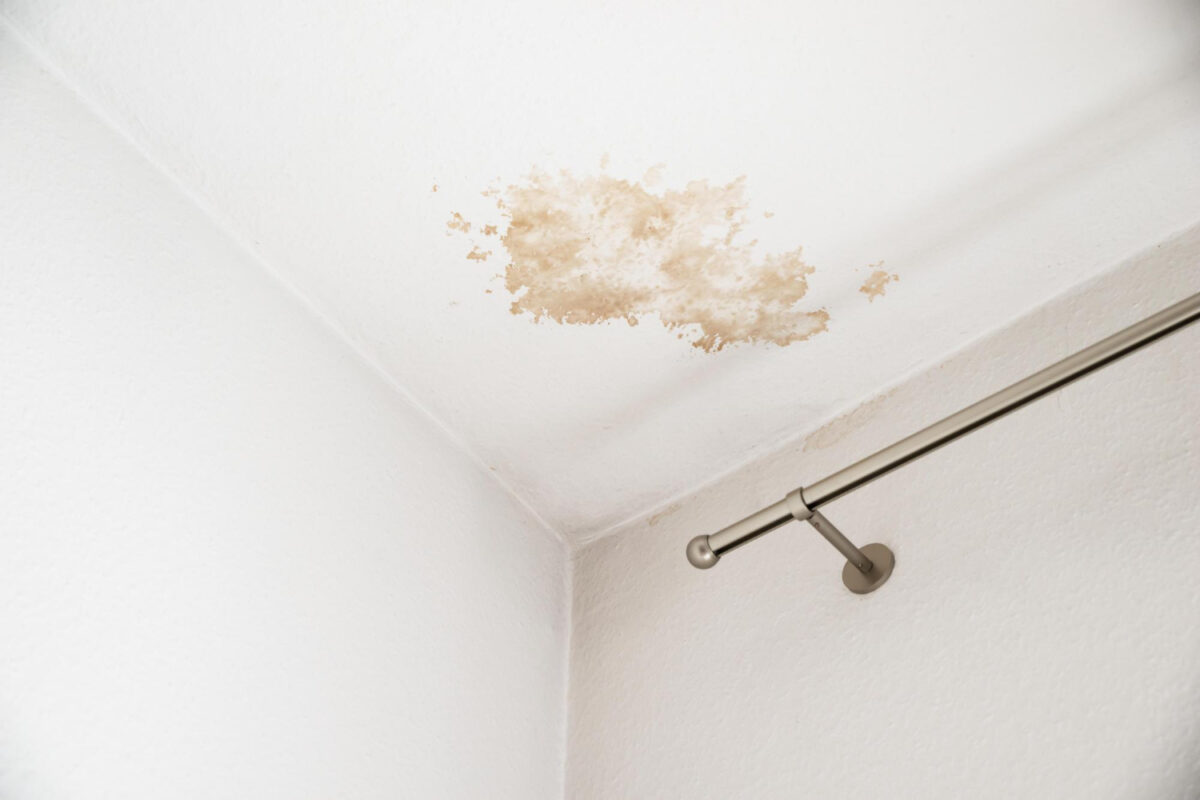
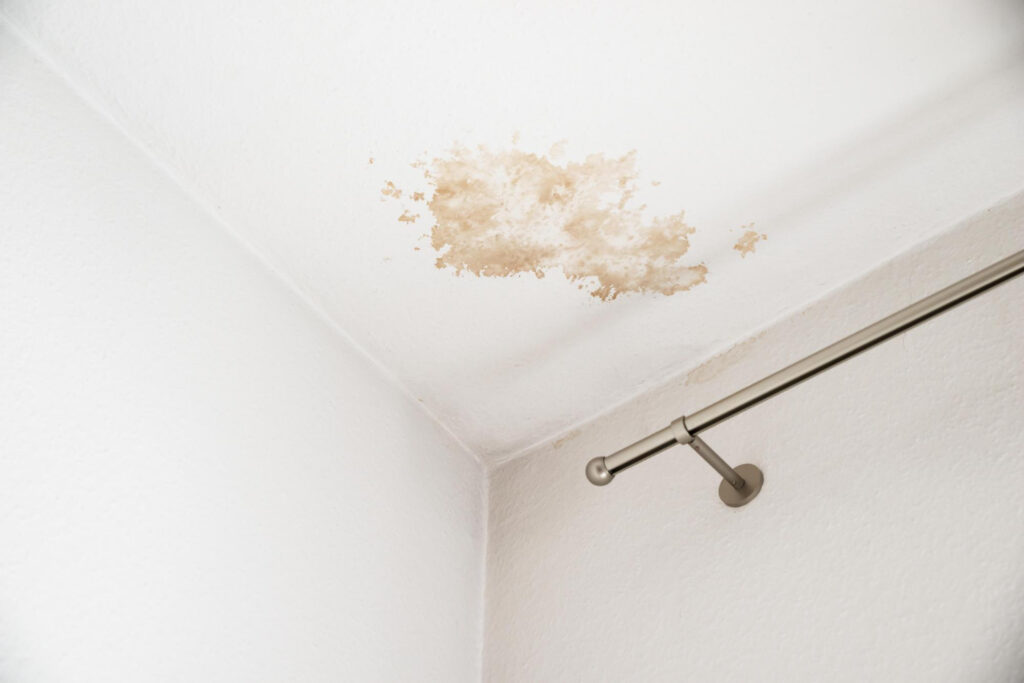
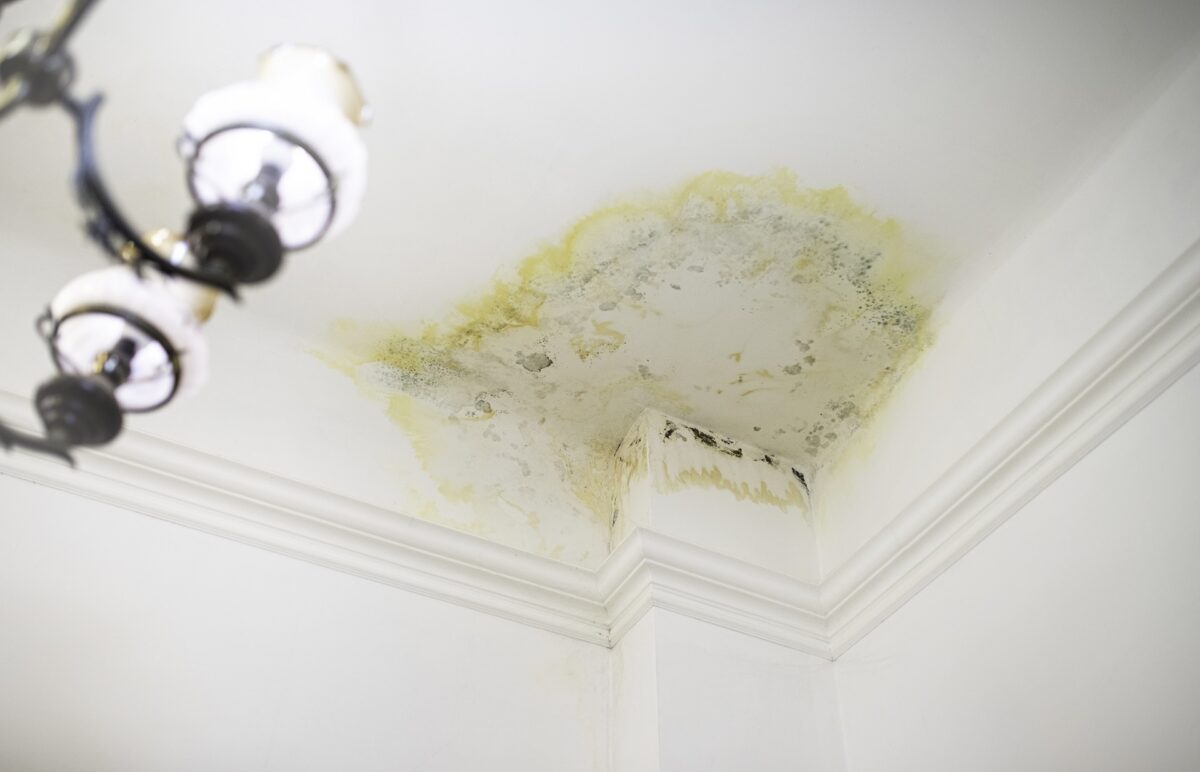
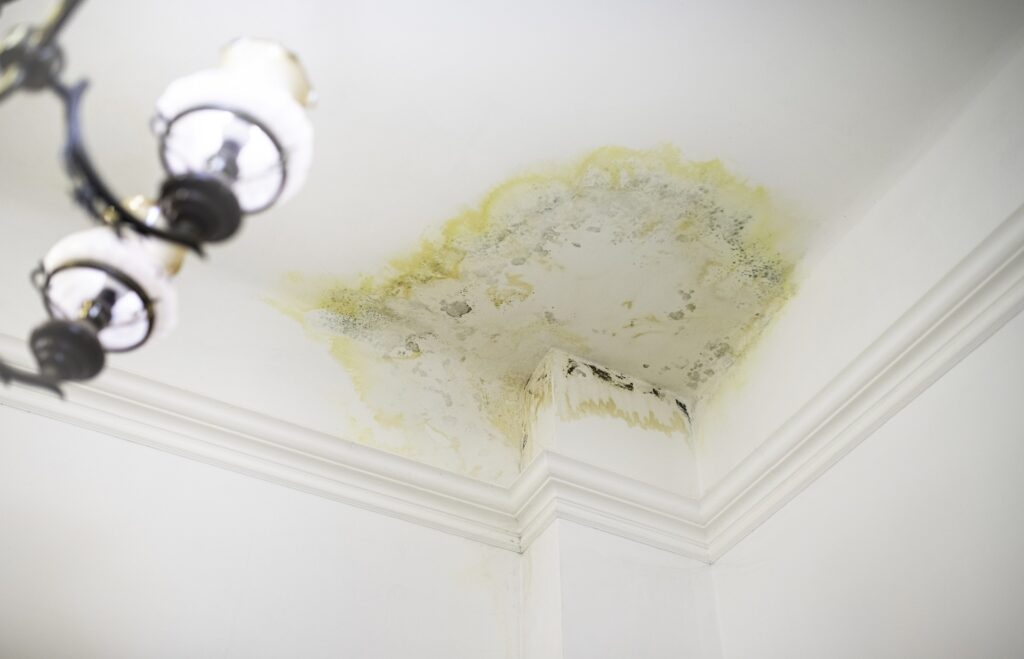
Waking up to water dripping during a late-night Tampa storm is scary. You hear the rain pounding, notice a dark spot on the ceiling, maybe see a bulge in the drywall, and your mind jumps straight to worst-case thoughts. Is the ceiling about to give out? Is the roof torn open? What do you even do at this hour?
Summer storm season and hurricane threats make roof problems in our area feel extra urgent. When rain is coming down hard, even a small opening in your roof can let in a lot of water in a short time. The first few minutes matter, and knowing what to do can reduce damage and stress. As a local roofing team, we want homeowners to feel prepared, not helpless, when they need emergency roof repair in Tampa after hours.
First Five Minutes: Protect Your Family and Home Interior
The first step is not grabbing a ladder. It is making sure everyone is safe. A roof leak can turn into a bigger problem if it affects ceilings, lights, and wiring.
Pay close attention to:
- Sagging or bulging ceilings
- Water around light fixtures or ceiling fans
- Outlets or switches that look wet or are near a leak
If you see any of these, stay clear of that area. Do not stand under a bulging ceiling. If water is near outlets, switches, or light fixtures, turn off the electricity to that room at the breaker panel if you can do so safely. It is better to lose power in one room for a while than risk a shock.
Next, control the water that is already inside. Quick action here can save floors, walls, and furniture. You can:
- Place buckets, bowls, or plastic bins under active drips
- Lay down towels or old blankets to soak up splashes
- Move small furniture away from the leak
If you see a big water bubble in the ceiling, it can sometimes be safer to drain it in a controlled way than to wait for it to burst. Stand to the side, not under it, hold a bucket underneath, and carefully poke a small hole with a screwdriver so the water can drain out slowly. This helps release pressure and may keep the whole sheet from falling at once.
Then, move anything valuable out of the area. Focus on:
- Electronics like TVs, computers, and game systems
- Rugs, cushions, and fabric items
- Important papers, photos, or keepsakes
If heavy furniture cannot be moved, cover it with plastic sheeting, trash bags taped together, or a tarp if you have one. The goal is to limit how much the water can ruin in those first few minutes.
Stabilizing the Situation Until Help Arrives
Once your family and belongings are safer, it is time to think about the space as a whole. Many homeowners feel tempted to run outside and climb onto the roof. In most cases, that is not a good idea.
It is not safe to go up on the roof if:
- Lightning is nearby
- Wind is strong or gusty
- Rain is still heavy or the surface is slick
- You do not have solid, non-slip shoes and a stable ladder
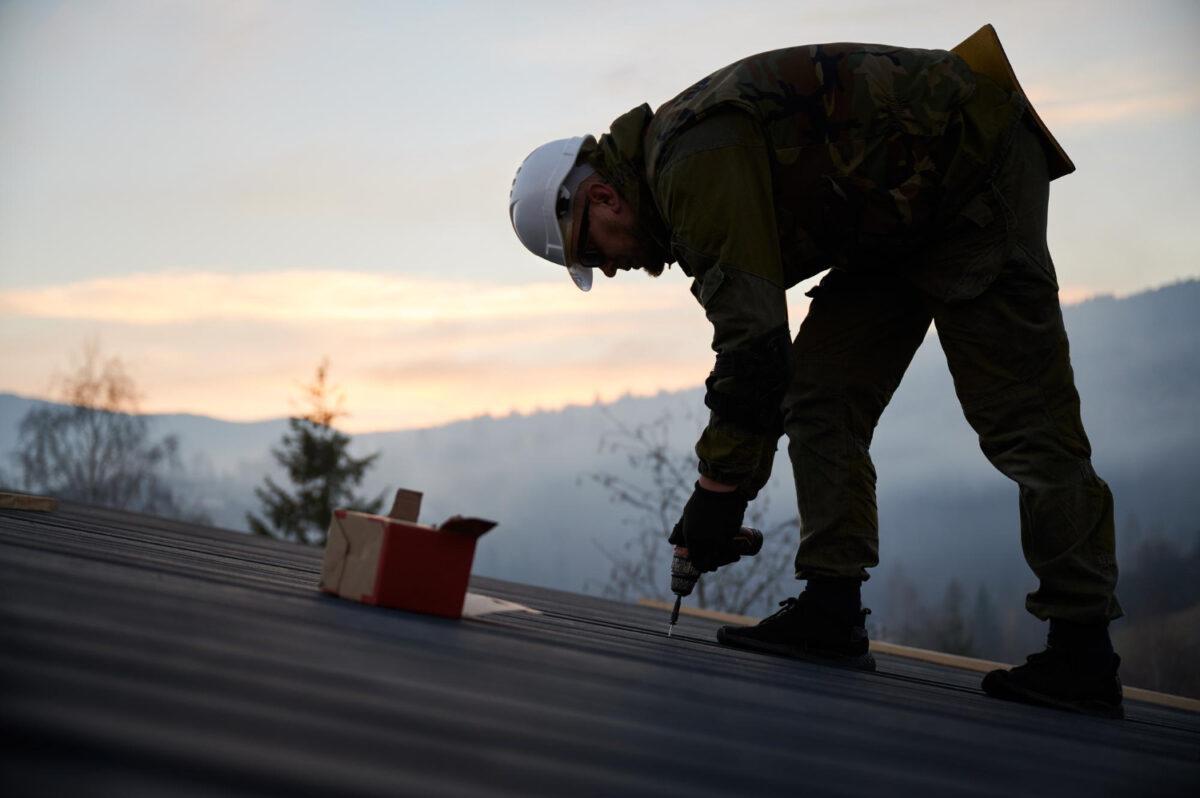
During an active storm, staying off the roof is usually the smartest move. Trained crews that handle emergency roof repair in Tampa have safety gear and know how to move on wet surfaces and damaged areas. A bad fall can be far worse than a leak.
Inside, keep focusing on slowing the spread of moisture. Swap out full buckets and soaked towels with dry ones. If you own a wet/dry vacuum and can use it safely away from outlets and cords, it can help with shallow puddles on hard floors. You can also:
- Open interior doors to let air move through the home
- Set up fans to blow across damp surfaces, not straight into the ceiling
- Keep an eye on new spots that may start to show stains or drips
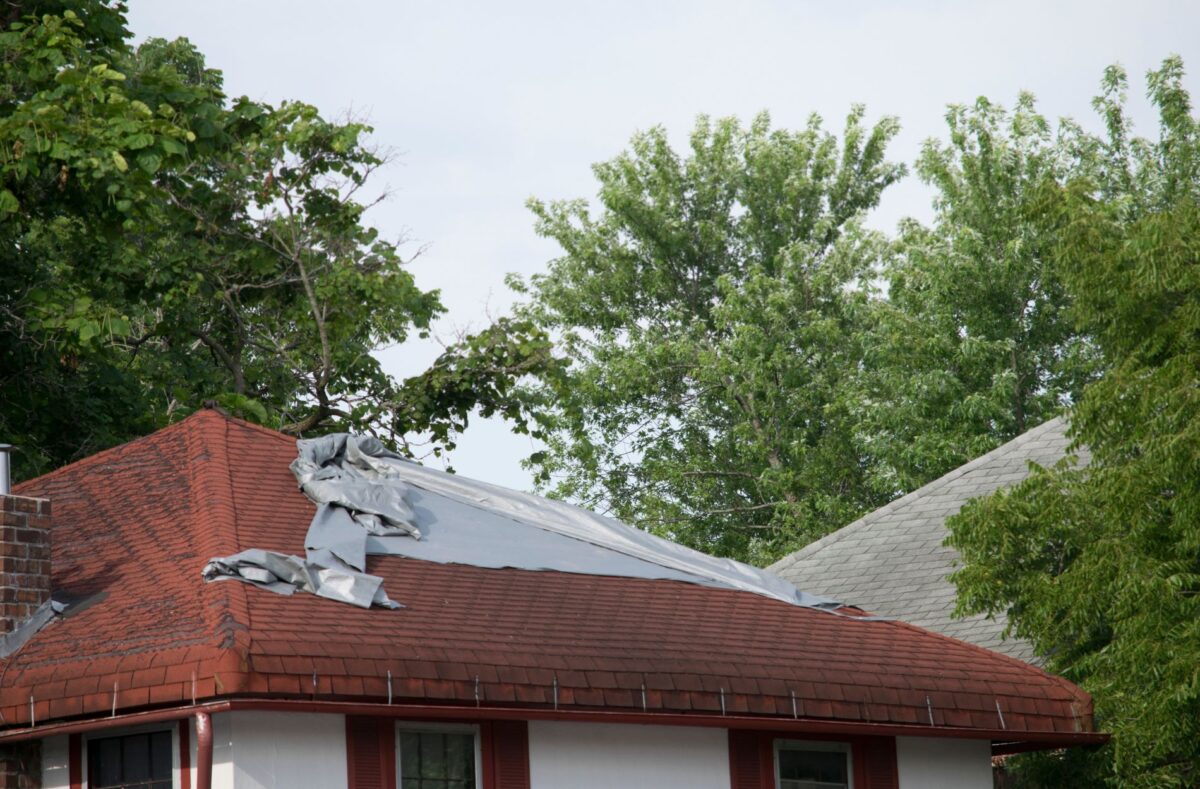
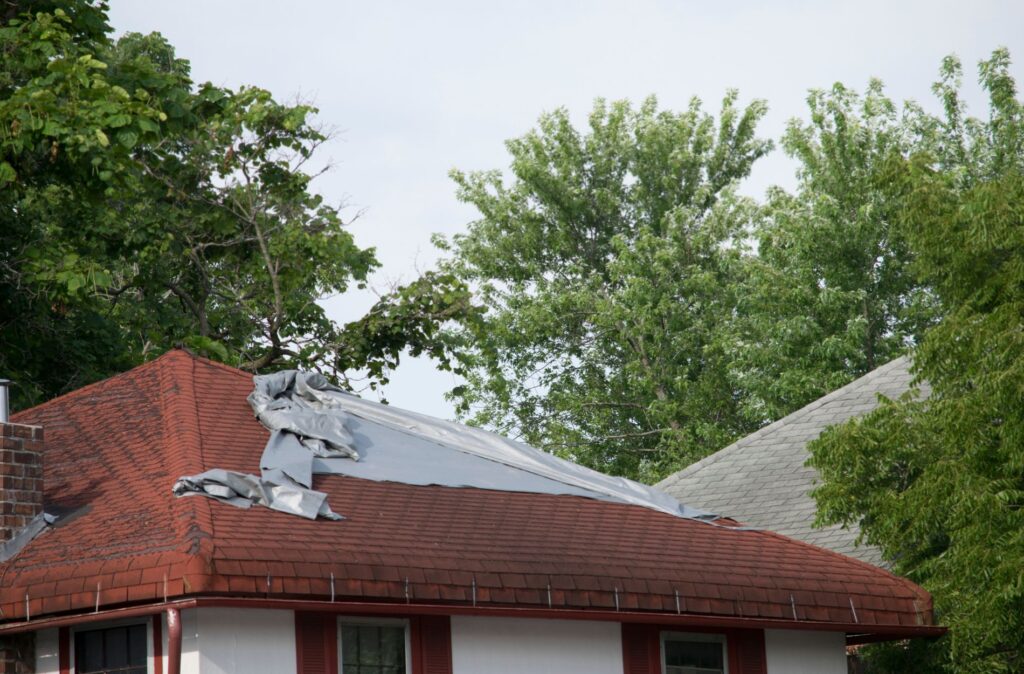
If the weather has calmed and the damage is on a low, easy-to-reach part of the house, some homeowners place a tarp over a small area to slow the leak. This should only be done if:
- The ground is steady and dry around your ladder
- You have another adult acting as a spotter
- You can reach the area without stretching or climbing onto a steep slope
Even then, be very cautious. No temporary cover is worth a serious injury.
Calling for Emergency Roof Repair in Tampa
Once things are as stable as you can make them, it is time to call for help. Having a few details ready speeds everything up and helps the crew bring what they need.
Be ready to share:
- Your address and the best entry point
- The type of roof you have, if you know it
- What you see outside, such as missing shingles or a fallen branch
- Where inside the home the leak is showing up
If it is safe, snap a few clear photos or short videos of the damage, both inside and out. A roofer may ask you to send these so they can plan for tarps, tools, and materials.
When choosing who to call, look for a licensed and insured local roofing company that clearly handles emergency roof repair in Tampa, not just general odd jobs. Signs that they are set up for after-hours help include:
- 24/7 or after-hours emergency service listed
- Reviews that mention storm damage or quick response at night
- A clear focus on residential roofs and storm issues
During the emergency visit, expect the crew to focus first on stopping more water from coming in. The first steps usually include:
- A visual check from the ground and, if safe, from ladders
- An attic check to see where water is traveling
- Photos of the damage for records
- Emergency tarps or temporary waterproofing over problem areas
Permanent repairs often come later, once the weather has cleared and the full damage is understood.
Documenting Damage and Preparing for Insurance
While you are dealing with the leak, it is easy to forget about paperwork. Still, simple records now can make insurance easier later. Start by taking photos from different angles:
- The roof area, if it is visible from the ground
- Ceilings, walls, and floors with stains or bubbling paint
- Damaged belongings like furniture, rugs, or electronics
Write down a basic timeline in a notebook or on your phone: when the storm started, when you first noticed the leak, what you did to protect your home, and when you spoke with a roofer. These small notes help tell a clear story.
Once things are safe and calmer, contact your insurance company. Many policies expect quick notice after damage. Ask:
- What your deductible is for this type of claim
- What proof they need, such as photos or written reports
- If emergency tarp work and temporary repairs are covered
Keep every receipt for anything you buy or pay for because of the leak, including tarps, fans, dehumidifiers, and emergency roofing services. Ask your roofing crew for a simple written summary of what they did during the first visit, plus any photos they took. All of this can support your claim.
Strengthening Your Roof Before the Next Storm Hits
Once the crisis has passed, it helps to treat the event as a warning light, not just bad luck. Many leaks come from issues that have been building for a while, like worn shingles or old flashing around vents and chimneys. A follow-up roof inspection can point out weak spots before the next round of storms.
Good habits for Tampa roofs include:
- Regular professional roof inspections
- Cleaning gutters and downspouts so water drains correctly
- Trimming back branches that hang over your roof
- Checking attic ventilation and insulation so heat and humidity do not build up
Our sun, heat, and humidity can wear down roofing materials faster than in cooler, drier places. A roof that looks fine from the yard might have small cracks, loose fasteners, or other early signs of trouble that are easier and less stressful to handle before they turn into midnight leaks.
At Gulf Shield Roofing, we focus on residential roofs in the Tampa area, including repairs, replacement, waterproofing, and emergency tarping for storm damage. We know how quickly a calm summer night can turn into a loud, windy mess and how upsetting it is to see water where it does not belong. Keeping a trusted roofing partner’s contact information on hand and planning a preventive inspection when the skies are clear can turn a scary surprise into a manageable repair instead of a full-blown disaster.
Protect Your Home With Fast, Reliable Roof Repairs Today
When a storm or sudden leak puts your home at risk, you should not have to wait for help. At Gulf Shield Roofing, we respond quickly and provide trusted emergency roof repair in Tampa to secure your property and prevent further damage. Our team will assess the situation, explain your options clearly, and get to work right away. If you are facing an urgent roofing issue, reach out to us through contact us so we can help restore your peace of mind.